
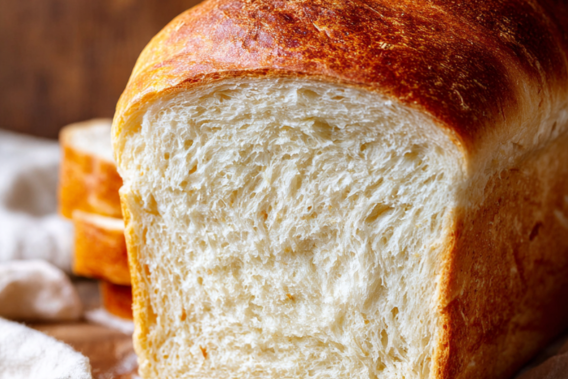
I’ve always had a soft spot for freshly baked bread. There’s something about the aroma of warm dough filling the kitchen that makes the entire house feel cozy and inviting. Over the years, I’ve experimented with store-bought loaves, artisan recipes, and even some experimental flours, but nothing quite compares to making my own sandwich bread at home. The satisfaction of slicing into a soft, fluffy loaf and knowing exactly what went into it is unmatched.
What I love most about this homemade sandwich bread recipe is its versatility. It’s perfect for classic peanut butter and jelly, hearty sandwiches with roasted vegetables, or simply toasted with a pat of butter. Plus, it’s surprisingly easy to make, even if you’re new to bread baking. Once you try this recipe, I promise you’ll find yourself reaching for it every week.
What You Need To Make This Recipe
All-Purpose Flour: This is the backbone of any sandwich bread. All-purpose flour provides the right balance of protein to create a soft, yet structured loaf that rises beautifully. It’s versatile and perfect for a tender crumb.
Active Dry Yeast: Yeast is the magical ingredient that makes your bread rise. Active dry yeast feeds on the sugars in the dough, producing carbon dioxide that creates those airy bubbles and gives the bread its light texture.
Sugar: A small amount of sugar not only feeds the yeast, helping the dough rise faster, but also adds a touch of sweetness to the bread, enhancing the flavor without making it overly sweet.
Salt: Salt is essential for flavor and helps control the yeast activity. It strengthens the gluten structure, ensuring the loaf has a nice, even crumb and doesn’t rise too quickly.
Warm Water: Warm water activates the yeast and helps the dough come together smoothly. Make sure it’s warm to the touch but not hot, to avoid killing the yeast.
Unsalted Butter: Butter adds richness and flavor to the bread. It also keeps the loaf soft and tender, giving it a melt-in-your-mouth quality that makes sandwiches extra delicious.
Milk (optional): Some recipes call for milk to enhance softness and provide a slightly richer taste. Milk can also help achieve a golden crust while keeping the interior moist.
Ingredients List
- 3 ½ cups all-purpose flour
- 2 ¼ tsp active dry yeast (1 packet)
- 2 tbsp sugar
- 1 ½ tsp salt
- 1 cup warm water (110°F/45°C)
- 2 tbsp unsalted butter, softened
- ¼ cup milk (optional, for softer bread)
How to Make Homemade Sandwich Bread
Step 1: Activate the Yeast
In a small bowl, combine the warm water and sugar, then sprinkle the yeast over the top. Let it sit for about 5–10 minutes until it becomes frothy. This shows that the yeast is alive and ready to work its magic.
Step 2: Mix the Dough
In a large mixing bowl, combine the flour and salt. Add the frothy yeast mixture, softened butter, and milk (if using). Stir until a rough dough forms.
Step 3: Knead the Dough
Turn the dough out onto a lightly floured surface and knead for about 8–10 minutes. The dough should be smooth, elastic, and slightly tacky to the touch. Proper kneading develops gluten, which gives your bread structure and chewiness.
Step 4: First Rise
Place the dough in a lightly greased bowl, cover it with a clean kitchen towel, and let it rise in a warm place for 1–2 hours or until doubled in size. This step allows the yeast to ferment and the dough to expand beautifully.
Step 5: Shape the Loaf
Punch down the risen dough to release excess air. Shape it into a loaf and place it into a greased 9×5-inch loaf pan. Cover it again and let it rise for another 30–45 minutes until it has puffed up above the rim of the pan.
Step 6: Bake the Bread
Preheat the oven to 375°F (190°C). Bake the loaf for 25–30 minutes, or until the top is golden brown and the bread sounds hollow when tapped. If desired, brush the top with melted butter immediately after removing it from the oven for a soft, shiny crust.
Step 7: Cool Before Slicing
Allow the bread to cool in the pan for about 10 minutes, then transfer it to a wire rack to cool completely. Slicing too early can compress the loaf and make it gummy.
Tips for Making this Recipe
- Make sure your water is warm, not hot, to properly activate the yeast.
- Knead the dough thoroughly to develop gluten, which gives the bread structure.
- Let the dough rise in a draft-free area to ensure even fermentation.
- For an extra soft crust, cover the loaf with a clean towel while it cools.
- Experiment with adding seeds or herbs to the dough for a flavorful twist.
- If using milk, slightly reduce the water to maintain the right dough consistency.
FAQs
Can I use bread flour instead of all-purpose flour?
Yes, bread flour will give your loaf a chewier texture and slightly higher rise due to its higher protein content.
How long does homemade sandwich bread last?
At room temperature, it’s best consumed within 3–4 days. You can also slice and freeze it for up to 3 months.
Can I make this bread without milk?
Absolutely! Milk is optional and mainly adds softness. You can replace it with water if desired.
Do I need a stand mixer to make this bread?
No, you can knead the dough by hand. A stand mixer just saves time and effort.
Can I double the recipe?
Yes, just make sure you have a large enough bowl for rising and a suitable loaf pan or two separate pans for baking.