
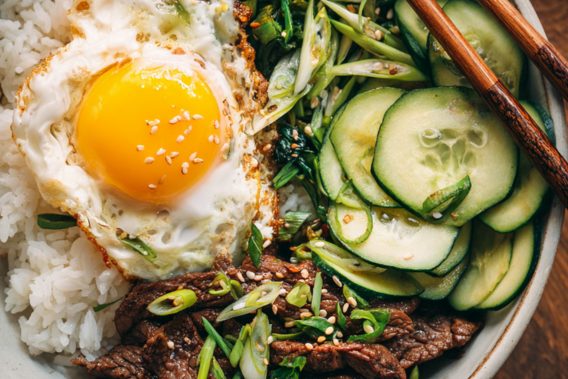
I first tasted the idea of these bowls when I was craving something unapologetically savory, fast, and layered with that glossy soy-garlic energy Korean food does so well. I love recipes that feel like a warm hug after a long day but don’t ask too much of me in the kitchen. A few staple pantry sauces, good ground beef, and fresh rice later—I had a meal that instantly became one of those “repeat every week” dinners. The best part? It nails that balance between sweet and salty with just a gentle heat that keeps every bite interesting without overwhelming the senses.
Now, whenever someone asks me for a flavor-packed meal that works just as well for meal-prep as it does for a casual sit-down dinner, this is where I point them. It’s shiny, fragrant, customizable, and budget-friendly. Bonus points if you love bowls like I do—there’s something magical about piling everything together and mixing it right before eating. The textures, the sauce, the freshness of the toppings—it’s a small ritual that makes everyday dinners feel intentional.
What You Need To Make This Recipe
Ground Beef:
The backbone of the bowl. I go for 80/20 because the fat brings richness and helps the sauce cling beautifully to every crumbly piece. It browns fast, carries seasoning like a champ, and gives each bite a bold, meaty base that contrasts so well with fluffy rice.
Garlic:
Sharp, aromatic, and essential. Fresh mince melts into the pan, turning buttery and fragrant in seconds. It lays the groundwork for that iconic savory perfume that makes the whole kitchen smell incredible before anything else even happens.
Ginger:
This is where brightness sneaks in. A small amount makes a big impact, warming the dish with subtle spice and freshness. It’s earthy and citrusy at once, rounding out the flavors so the sauce never reads one-note.
Soy Sauce:
Salted umami in liquid form. It seasons the beef while building the sauce. As it simmers, the color deepens into mahogany and gives the bowl its savory, crave-worthy identity.
Brown Sugar:
The sweet counterpoint. It caramelizes gently into the soy, creating that glossy coating with hints of molasses that keeps the dish balanced and addictive.
Sesame Oil:
Nutty and toasty—just a drizzle goes a long way. It finishes the sauce with depth and that unmistakable warm aroma you instantly recognize in Korean-style bowls.
Crushed Red Pepper Flakes:
Not too spicy, but enough to perk things up. The flakes bloom in the pan, giving little sparks of heat that make the sauce pleasantly lively.
Green Onions:
Fresh and peppery with a mild bite. Thinly sliced, they cool down the richness of the beef and add color and a gentle crunch.
Toasted Sesame Seeds:
Tiny, crisp, nutty pops that make each bowl feel final and well-crafted. They add texture while echoing the sesame oil in the sauce.
Cooked White Rice:
Fluffy, neutral, and warm. The perfect canvas under all that saucy beef. Jasmine is my favorite for its subtle fragrance, but any white rice works beautifully.
Ingredients list
- 1 lb (450 g) ground beef (80/20 preferred)
- 4 garlic cloves, minced
- 1 tbsp fresh ginger, minced
- 1/4 cup soy sauce
- 2 tbsp brown sugar
- 2 tsp sesame oil
- 1/2 tsp crushed red pepper flakes (adjust to taste)
- 3 green onions, thinly sliced
- 1 tbsp toasted sesame seeds
- 3 cups cooked white rice
How to Make Korean Ground Beef Bowls
### Brown the Beef
In a skillet over medium-high heat, the beef cooks quickly, sizzling as it breaks apart. Letting it sit undisturbed for a minute helps it brown instead of steam. Drain excess grease if needed, but leave a little behind for richness and sauce texture.
### Add Aromatics
Garlic and ginger hit the pan and immediately wake up the beef. Stir just long enough for them to go fragrant, about 30–60 seconds, so they soften without burning.
### Build the Sauce
Soy sauce, brown sugar, sesame oil, and pepper flakes mix into the beef. Lower the heat and let it simmer for 2–3 minutes until everything turns glossy and slightly thickened, coating the meat evenly.
### Prepare the Bowls
Scoop warm rice into serving bowls and top generously with the sauced beef. The meat should sit on the rice like a blanket of flavor.
### Finish with Toppings
A sprinkle of green onions and sesame seeds seals the deal. They add freshness, texture, and a little nutty contrast that makes every bowl picture-perfect and fragrant.
Tips for Making this Recipe
- Use 80/20 beef for the best flavor and sauce grip, but if using lean beef, add 1 tsp of oil to help browning.
- Don’t over-simmer the sauce—2–3 minutes is enough for shine without drying out the beef.
- Add veggies if you want more texture: cucumbers, shredded carrots, or sautéed spinach work great.
- Double the sauce ingredients if you like it extra saucy for mixing into the rice.
- Toast sesame seeds lightly if they’re not already toasted—just 1–2 minutes in a dry pan elevates the flavor.
- For meal-prep, store beef and rice separately so the grains stay fluffy.
- Make it spicier by increasing pepper flakes or adding a drizzle of chili oil at the end.
- Use jasmine rice for a subtle aroma boost, but short-grain rice gives a creamier texture if you prefer that.
FAQs
Can I use ground turkey instead of beef?
Yes! It will be lighter, but still delicious. Add a teaspoon of oil for browning, and consider doubling the aromatics for an extra flavor push.
Is this dish very spicy?
Not with the written amount. It’s more warm than hot. You can dial it up or down easily based on preference.
What rice works best?
White rice is classic. Jasmine adds aroma, short-grain adds softness. Brown rice works too if you enjoy a chewier base.
How do I make this gluten-free?
Swap soy sauce for tamari or coconut aminos and adjust salt levels to taste.
Can I meal-prep these bowls?
Absolutely. Store components separately for the best texture, then reheat beef and assemble when ready.
What vegetables pair nicely with this?
Cucumber, pickled radish, spinach, zucchini, or shredded carrots all complement the sauce without overpowering it.
How long does the beef stay good in the fridge?
3–4 days in an airtight container. Reheat gently on the stove or microwave with a splash of water if the sauce thickens too much.