
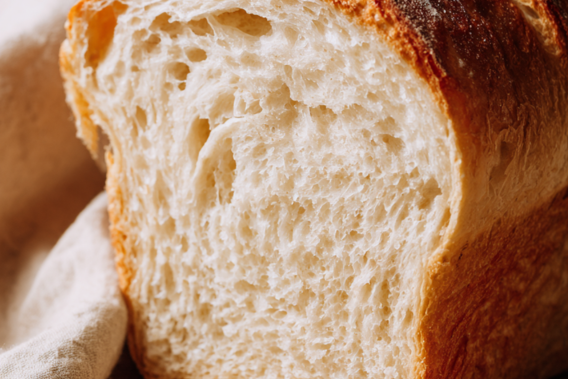
Baking sourdough sandwich bread has become one of my favorite ways to fill my kitchen with that irresistible, tangy aroma of freshly baked bread. There’s something so satisfying about taking a simple mixture of flour, water, and starter and transforming it into a soft, pillowy loaf with a slightly tangy flavor. I love how homemade sourdough can elevate even the simplest sandwiches, turning a humble lunch into a little moment of joy.
Every time I make this bread, I enjoy the process almost as much as the result. From feeding the starter to kneading the dough, I find it therapeutic, almost like a gentle workout for my hands. And the best part? That golden-brown crust and soft, airy crumb that makes each bite a delight. This recipe is approachable, even if you’re new to sourdough, and it yields a loaf that’s perfect for toast, sandwiches, or just slathering with butter straight out of the oven.
What You Need To Make This Recipe
Active Sourdough Starter:
Your starter is the heart of this bread. It provides the natural yeast and lactic acid bacteria that give sourdough its signature tang and light texture. Make sure your starter is active and bubbly before using—it should double in size after feeding and have a pleasantly sour aroma.
Bread Flour:
Bread flour gives this loaf its structure and chewy texture. Its higher protein content compared to all-purpose flour allows the gluten to develop properly, creating a strong network that traps air and gives the bread its rise.
Water:
Water hydrates the flour and starter, activating the gluten and encouraging fermentation. Using filtered or room-temperature water helps avoid any unwanted flavors from tap water chemicals and ensures a consistent dough.
Salt:
Salt enhances flavor and regulates the fermentation process. It strengthens the gluten network, helping the dough maintain its shape while also balancing the sour tang from the starter.
Optional: Sugar or Honey:
A small amount of sugar or honey can help feed the yeast, resulting in a slightly softer crumb and a hint of sweetness that contrasts beautifully with the tangy sourdough flavor.
Ingredients List
- 1 cup (240g) active sourdough starter
- 3 cups (360g) bread flour
- 1 cup (240ml) water, room temperature
- 2 tsp (12g) salt
- 1 tbsp (15ml) honey or sugar (optional)
How to Make Sourdough Sandwich Bread
Step 1: Mix the Dough
In a large bowl, combine the active sourdough starter, water, and honey (if using). Stir until the starter is fully dissolved. Add the bread flour and salt, then mix until a rough, sticky dough forms. This is your foundation, so don’t worry about making it perfectly smooth at this stage.
Step 2: Autolyse
Cover the dough and let it rest for 30 minutes. This resting period allows the flour to fully hydrate and helps gluten develop naturally, giving your bread better structure and a softer crumb.
Step 3: Knead the Dough
After resting, knead the dough on a lightly floured surface for 8–10 minutes, or until it becomes smooth and elastic. You can also use the stretch-and-fold method if you prefer less hands-on kneading—it works just as well for building strength in the dough.
Step 4: Bulk Fermentation
Place the dough in a lightly oiled bowl, cover, and let it ferment at room temperature for 4–6 hours, folding it every 30–60 minutes during the first half of fermentation. The dough should increase in size and become airy and puffy.
Step 5: Shape the Loaf
Gently turn the dough onto a lightly floured surface. Shape it into a rectangle, then roll it up into a tight loaf. Pinch the seams closed and tuck the ends under to create tension on the surface, which helps the bread rise evenly.
Step 6: Final Proof
Place the shaped loaf into a greased loaf pan or a proofing basket. Cover and let it proof for 1–2 hours at room temperature, or until it has noticeably expanded.
Step 7: Bake
Preheat your oven to 425°F (220°C). Bake the loaf for 20 minutes covered with foil or a lid if using a Dutch oven, then remove the cover and bake for an additional 15–20 minutes, or until the crust is golden brown and sounds hollow when tapped.
Step 8: Cool
Remove the bread from the oven and let it cool completely on a wire rack before slicing. This resting period allows the crumb to set properly and prevents a gummy texture.
Tips for Making this Recipe
- Ensure your sourdough starter is active; a weak starter will result in a dense loaf.
- Hydration matters: slightly wetter dough creates a lighter, more open crumb.
- Don’t rush the fermentation—patience is key for developing flavor and texture.
- Use a sharp serrated knife to slice your loaf; this prevents squishing the airy interior.
- Experiment with adding seeds, herbs, or even a swirl of cheese for variety.
- For an extra crusty exterior, mist the loaf with water before baking or place a small pan of water in the oven.
FAQs
Can I use all-purpose flour instead of bread flour?
Yes, but the loaf may be slightly less chewy and not rise as much due to lower gluten content.
How do I know if my starter is ready to use?
It should be bubbly, double in size within 4–6 hours after feeding, and have a pleasantly tangy aroma.
Can I freeze this bread?
Absolutely. Slice it first, then freeze in an airtight bag. Toast or warm slices straight from the freezer for best results.
How long does sourdough sandwich bread stay fresh?
At room temperature, it lasts 3–4 days. Refrigeration can extend it slightly but may dry it out.
Can I make this recipe overnight?
Yes, you can refrigerate the dough during bulk fermentation or proofing to slow down fermentation. This also deepens the flavor.